







How to Regrow Jaw Bone Naturally: Comprehensive Strategies for Bone Health
Maintaining a healthy jaw bone is crucial for overall dental health and functionality. Whether recovering from periodontal disease, dealing with dental bone loss, or seeking to prevent further bone degradation, understanding how to regrow jaw bone naturally can make a significant difference. This comprehensive guide explores natural methods to stimulate bone growth, regenerate lost bone, and maintain healthy bones without relying solely on surgical procedures or bone grafts.
Understanding Jaw Bone Health
The Importance of Alveolar Bone
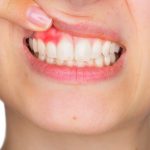
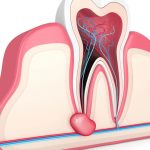
The alveolar bone is the part of the jawbone that surrounds and supports the teeth. It plays a vital role in maintaining the stability and integrity of your dental structure. Bone loss in this area can lead to tooth mobility, gum recession, and even tooth loss. Conditions such as periodontal and gum disease are primary contributors to dental bone loss, which can significantly impact oral health.
Causes of Bone Loss in the Jaw
Several factors can lead to bone loss in the jaw, including:
- Periodontal Disease: Chronic inflammation caused by plaque buildup can erode the alveolar bone.
- Tooth Loss: Missing teeth can result in significant bone loss as the jawbone no longer receives the necessary stimulation to maintain its density.
- Genetics: Some individuals are predisposed to weaker bone structures.
- Poor Nutrition: A balanced diet lacking essential nutrients like vitamin D and calcium can weaken bone health.
- Lifestyle Factors: Smoking and excessive alcohol consumption can accelerate bone degeneration.
Natural Strategies to Regrow Jaw Bone
1. Optimize Your Diet for Bone Health
A diet rich in essential nutrients is fundamental to bone regeneration and health. Focus on incorporating the following into your daily meals:
- Calcium-Rich Foods: Dairy products, leafy greens, and fortified plant-based milk provide the adequate calcium needed for bone strength.
- Vitamin D: Enhances calcium absorption, essential for bone density. Sun exposure, fatty fish, and fortified foods are excellent sources.
- Protein: Necessary for bone matrix formation. Include lean meats, legumes, and nuts in your diet.
- Magnesium and Potassium: These minerals help maintain bone structure. Foods like bananas, avocados, and nuts are beneficial.
2. Engage in Weight-Bearing Exercises
Physical activity stimulates bone growth and helps increase bone density. Incorporate weight-bearing exercises such as:
- Walking and Jogging: Simple yet effective for maintaining bone strength.
- Resistance Training: Lifting weights or using resistance bands can enhance bone density.
- Yoga and Pilates: Improve balance and strengthen bones without high-impact stress.
3. Practice Good Oral Hygiene
 Maintaining oral hygiene is essential to prevent gum disease and subsequent bone loss. Follow these practices:
- Brush Twice Daily: Use fluoride toothpaste to protect against cavities and strengthen enamel.
- Floss Regularly: Removes plaque and food particles between teeth, preventing periodontal disease.
- Regular Dental Check-ups: Early detection and treatment of dental issues can prevent further bone loss.
4. Incorporate Bone-Boosting Supplements
Supplements can support bone regeneration when dietary intake is insufficient:
- Calcium Supplements: Ensure you’re meeting your daily calcium needs if dietary sources are inadequate.
- Vitamin D Supplements: These are especially important in regions with limited sunlight exposure.
- Collagen Supplements: May support bone structure and regenerate lost bone.
5. Use Natural Remedies and Herbs
Certain herbs and natural remedies have properties that support bone health:
- Turmeric: Anti-inflammatory properties can help reduce periodontal disease.
- Green Tea: Rich in antioxidants, it may aid in bone regeneration.
- Horsetail: It contains silica, which is beneficial for bone strength.
6. Maintain a Healthy Weight
Being underweight can lead to bone loss due to inadequate nutrition while maintaining a healthy weight ensures that your jawbone receives the necessary support and stimulation.
7. Avoid Smoking and Limit Alcohol Consumption
Smoking impairs blood flow to the gums and jawbone, accelerating bone loss. Excessive alcohol intake can interfere with calcium balance and bone regeneration. Quitting smoking and moderating alcohol consumption are crucial steps in maintaining healthy bones.
Advanced Natural Approaches to Bone Regeneration
1. Guided Bone Regeneration
While guided bone regeneration typically involves a surgical procedure, certain non-invasive techniques can support this process naturally:
- Platelet-Rich Plasma (PRP): Utilizing your body’s own growth factors to stimulate bone growth.
- Low-Level Laser Therapy (LLLT): Promotes cellular activity and bone regeneration without invasive methods.
2. Stem Cell Therapy
Emerging research suggests that stem cell therapy can help regenerate lost bone. This approach harnesses the body’s ability to naturally repair and regenerate bone tissue.
3. Platelet-Rich Fibrin (PRF)
PRF is a natural biomaterial derived from your blood, containing growth factors that promote bone regeneration and improve gum tissue health. It can be used with other natural methods to enhance bone growth.
Preventing Further Bone Loss
1. Early Intervention in Gum Disease
Addressing gum disease at its early stages can prevent significant bone loss. Regular dental cleanings and prompt infection treatment are essential.
2. Dental Implants and Tooth Replacement
When dealing with missing teeth, consider natural approaches before opting for dental implants. However, if implants are necessary, ensuring bone regeneration is vital for successful implantation.
3. Regular Monitoring of Bone Density
Regular dental check-ups can help monitor bone density and detect early signs of bone loss, allowing for timely intervention.
The Role of Dental Procedures in Bone Regeneration
Bone Grafts and Their Alternatives
Bone grafts are a common surgical procedure used to regenerate lost bone, especially in preparation for dental implants. However, natural methods can complement or, in some cases, reduce the need for grafts:
- Autografts: Using bone from another part of your body.
- Allografts: Donor bone from a tissue bank.
- Xenografts: Bone from other species, typically bovine.
Natural strategies, such as maintaining a balanced diet, good oral hygiene, and weight-bearing exercises, can support the success of these procedures and enhance bone regeneration.
Minimizing Bone Loss During Dental Treatments
Choosing minimally invasive dental treatments and maintaining oral health can help maintain healthy bones and prevent further bone loss during and after dental procedures.
Lifestyle Changes for Optimal Bone Health
Stress Management
Chronic stress can negatively impact your oral health, leading to behaviors that contribute to bone loss, such as teeth grinding and neglecting dental hygiene. Meditation, yoga, and regular exercise can help manage stress effectively.
Adequate Sleep
Quality sleep supports overall health, including bone health. During sleep, the body repairs and regenerates tissues, which is essential for bone regeneration and maintaining bone density.
Hydration
Staying well-hydrated supports saliva production, which is crucial for maintaining gum tissue health and preventing gum disease.
Natural Therapies to Stimulate Bone Growth
Acupuncture
 Acupuncture may enhance blood flow and stimulate bone growth, supporting bone regeneration naturally.
Massage Therapy
Regular massage can improve circulation, promoting nutrient delivery to the jawbone and supporting bone health.
Chiropractic Care
Chiropractic adjustments can improve jaw alignment, reducing stress on the jawbone and supporting overall bone health.
Monitoring and Maintaining Progress
Regular Dental Check-ups
Frequent visits in Townsville at Casey Dentists clinic ensure that any issues are detected early, allowing for prompt treatment to prevent bone loss.
Home Monitoring Techniques
Awareness of changes in your mouth, such as shifting teeth or gum recession, can help you address bone loss before it becomes severe.
Tracking Nutrient Intake
Keeping track of your calcium intake and other essential nutrients ensures that your diet supports bone health effectively.
Integrating Natural and Medical Approaches
While natural methods are effective, integrating them with medical treatments can enhance bone regeneration:
- Consulting with a Healthcare Professional: Before starting any natural regimen, consult with your dentist or a healthcare provider to ensure it’s appropriate for your condition.
- Combining Therapies: Use natural strategies alongside prescribed treatments to maximize bone regeneration and overall dental health.
Conclusion
Understanding how to regrow jaw bone naturally involves a multifaceted approach that includes optimizing your diet, maintaining good oral hygiene, engaging in regular physical activity, and making healthy lifestyle choices. By focusing on bone regeneration and bone health, you can effectively combat dental bone loss and prevent further degradation of your jaw bone.
Incorporating these natural strategies supports bone growth and enhances your oral health, ensuring that your teeth and gums remain strong and functional. Whether you’re dealing with periodontal disease, preparing for dental implants, or simply aiming to maintain a healthy smile, these methods provide a comprehensive roadmap to regenerate lost bone and sustain healthy bones for the long term.
Remember, achieving optimal bone health is a continuous process that requires dedication and consistency. By adopting these natural approaches, you empower yourself to take control of your dental health and enjoy a strong, resilient jawbone for years to come.
References
https://www.medicalnewstoday.com/articles/325903
https://www.upmc.com/media/news/041723-dental-bone-regeneration
https://www.ncbi.nlm.nih.gov/pmc/articles/PMC3279056/


Related Post

Who Should Not Have Laser Eye Surgery: Important Considerations Before You Decide
Laser eye surgery has transformed the lives of millions by reducing or eliminating the need for glasses or contact lenses....

How Old Do You Have to Be to Get Laser Eye Surgery?
If you’re tired of wearing glasses or contact lenses every day, laser vision correction can be life-changing. Procedures like LASIK...

What is the Best Age to Get Laser Eye Surgery? Key Factors to Consider
Laser eye surgery, specifically LASIK surgery, has become one of the most popular and effective solutions for those looking to...

Headaches After Laser Eye Surgery: Causes, Risks, and Solutions
Laser eye surgery, such as LASIK surgery and other laser vision correction procedures, has become a popular method for...

How Long After Laser Eye Surgery Can You See Clearly?
If you're considering laser eye surgery, especially LASIK surgery, you're likely hoping for clear vision without needing glasses or contact...
How Long Does Laser Eye Surgery Take? Essential Insights and Timelines
Laser eye surgery, also known as laser vision correction, has revolutionized how people with refractive errors correct their vision. Many...